


Domino Go - Online Board Game
4.52.18K Reviews
App Specs
- Version
- 4.6.4
- Updated On
- License
- Free
- Downloads
- 1,000,000+
- Developer
- Beach Bum Ltd.
- Categories
- Board
- Platform
- Android
Screenshots





 Analysis by AppCompare
I can see Domino Go - Online Board Game fitting naturally into a shared household routine: one person can pick up a quick match while waiting for dinner, then another can try it later when the phone is free. That convenience comes with a practical catch, though. A board game app is easy to pass around, but an online game may connect play to the person currently using it, so I would treat a shared device as a shared screen rather than assume everyone has separate progress or private play.
What a shared device changes
Dominoes works well in short, interrupted pockets of time, and the digital format removes the need to find a physical set or clear a table. I would use it for a quiet break, a bit of friendly competition with someone who is already online, or a solo game when nobody else is available. The online element gives it more variety than simply replaying the same household matchup, while the familiar tile play makes it approachable for someone who does not want to learn a complicated game first.
On a family tablet or phone passed between people, I would make a simple habit of checking who is playing before starting a match. Chat, opponent interactions, and any account-linked activity can make one person’s session feel different from another’s. That is not a special family mode; it is just sensible shared-device etiquette. If separate identities and personal histories matter to everyone using the device, a shared login or shared profile may not be the neatest arrangement.
Setting expectations before play
The game is free to download, but it offers in-app purchases, with listed item prices ranging from $0.99 to $349.99. That wide range is worth discussing before handing a device to a child or letting several people use the same payment setup. I would check the device’s purchase protections and agree on whether spending is allowed, rather than treating “free” as a promise that every part of the experience has no cost.
There is also a difference between learning the rules and managing an online session. A newcomer can start with a familiar domino format, but online play brings other people, competition, and the possibility of chat into the experience. If someone in the household prefers a completely offline activity, or if an adult wants a game with no interaction beyond the board, a physical set or an offline alternative may suit them better.
Making matches fit everyday life
A useful way to approach an online board game is to decide what kind of session you have time for before you open it. If you only have a brief pause, choose a format that feels comfortable and avoid turning a short break into a commitment to keep playing. If friends are coordinating a match, agree on a time first; that is more considerate than expecting everyone to be available whenever a notification or invitation arrives.
For improving at dominoes, I would pay attention to the tiles that have already been played rather than focusing only on the move in front of me. Keeping track of which numbers are becoming scarce can help me make more deliberate choices about what to play or hold. In a digital match, it is easy to tap quickly and let the interface carry the rhythm, so slowing down for a moment is a practical way to make the game feel more strategic.
Worth Reading Before You Choose

EA SPORTS FC Mobile 26 Is a Bigger Football Game, but It Takes Time

Flipboard Shows What News Apps Must Do Beyond the Feed

Switching to Android Auto Means Rethinking Your Driving Routine

Google Calendar Makes a Crowded Week Easier to Manage

Ludo King Makes the Most of the Minutes Between Plans

Baby Panda World Brings Quick Play to Modern Phones, but Its Game Library Feels Busy
Who will enjoy it, and who may not
I would recommend it to people who already enjoy dominoes and want opponents beyond whoever happens to be nearby. It also makes sense for a casual player who likes board games but wants a familiar starting point rather than a long tutorial. The online competition and social layer are the draw when a physical game is not convenient; the straightforward tile logic is what keeps it accessible.
I would steer away from it if the main goal is a calm, private game with no online component, or if you dislike playing against strangers and do not want to use social features. Someone looking for a deep campaign, a story, or a broad collection of unrelated board games would also be better served elsewhere. This is a focused domino game, not an all-purpose tabletop library, and its appeal depends on enjoying the core activity.
Compared with a physical domino set, the app is easier to take along and can connect you with other players, but it cannot replace the face-to-face feel of placing tiles around a table. Compared with a general board-game app, it gives its attention to dominoes rather than spreading itself across many game types. I see that focus as a strength for fans, but a limitation for households where everyone wants a different kind of game.
Unpacking the Game
The first thing you notice about Domino Go is its vibrant and user-friendly interface. The developers have done a fantastic job making sure everything feels intuitive. Whether you’re a domino pro or just a curious newbie, navigating through the app is a breeze. I dived right in and felt right at home!
Gameplay Mechanics
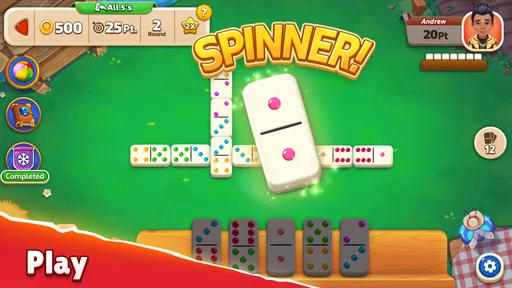
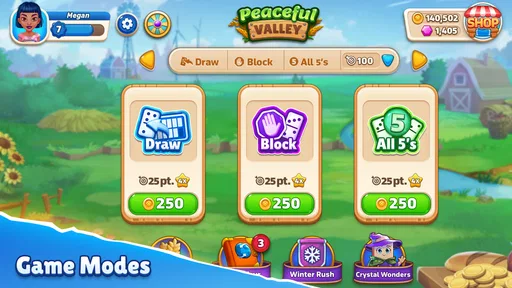
So, how does it play? Well, if you’re familiar with traditional dominoes, you’ll feel right in your element. The game offers several modes, including classic, block, and draw dominoes. Each mode has its own charm and strategy. I have to say, the classic mode is where I spent most of my time. It’s straightforward yet engaging, and every match feels unique.
One of the standout features is the multiplayer option. You can play against your friends or match up with random players worldwide. The competitive spirit truly shines here, making each game thrilling and unpredictable. If you prefer a more relaxed experience, there’s always the option to play against AI opponents. They’re surprisingly smart, so don’t expect an easy win!
Visuals and Sound
The visuals are crisp, colorful, and easy on the eyes, which is crucial for prolonged gaming sessions. The board is beautifully designed, and the domino pieces have a nice weight to them, even in digital form. As for the sound, the subtle background music and satisfying click of the dominoes enhance the immersion without becoming a distraction.
Features and Customization
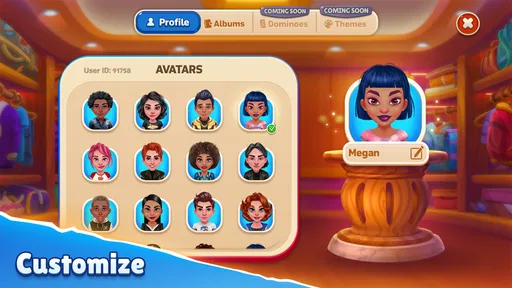
Customization is another area where Domino Go excels. You can personalize your gaming experience with different board themes and domino designs. It’s a small touch, but it adds a lot of personality to the game. Plus, the app regularly updates with new themes to keep things fresh.
Another highlight is the daily challenges and tournaments. These are perfect for honing your skills and earning rewards. The tournaments, in particular, add an exciting competitive edge to the game. It’s a great way to test your strategy against players from all over the globe.
Community and Social Features
What really caught my attention is the game’s community aspect. There’s an integrated chat feature where you can communicate with your opponents during matches. It’s a fun way to make new friends or engage in some light-hearted banter. The app also has a leaderboard where you can see how you stack up against other players. Chasing that top spot is a fantastic motivator!
Made by Beach Bum Ltd., this board game has an average rating of 4.5 from around 43,000 ratings, with about 2,200 written reviews and over 1 million installs. It is rated for Everyone, and its current version is 4.5.29, with Android 7.0 as the minimum requirement. Those figures suggest it has found a sizable audience, though popularity alone cannot tell you whether its online style suits your household.
I would also keep the game’s social side in perspective. Chat can make a match feel more lively, but it is not essential to understanding the tiles, and some players will simply prefer to concentrate on moves. In a shared setting, I would avoid leaving a conversation open for the next person to inherit; it is a small courtesy that keeps one player’s interactions from becoming another player’s surprise.
Choosing a pace that works
Daily challenges and tournaments can give regular players a reason to return, but they also change the feel of a casual game. A challenge is useful when I want a clear goal for a short session; a tournament is better when I can give the game more attention. I would not treat either as an obligation. The most satisfying use is to pick the activity that fits the time I actually have, rather than opening the app and drifting into longer play than I intended.
That distinction matters especially on a device used by several people. If one person is trying to complete an event while another only wants a relaxed match, it helps to agree on whose turn it is to use the app and whether a session should be left alone once it begins. The game can serve both moods, but the household still has to coordinate around the device.
Learning without rushing
For a beginner, I would start with the familiar classic style before experimenting with block or draw rules. That lets the player learn the basic rhythm first, then notice how a different mode changes the decisions. A returning domino player can do the reverse and use alternate modes to break routine. The practical benefit is that the game does not have to be approached as one fixed experience; it can be a gentle refresher or a way to test a different strategy.
In matches against people, I would resist treating every loss as proof that the game is unfair or that I need to play faster. Dominoes rewards attention to the board and to what remains plausible, and opponents can make the same position feel different from one game to the next. The AI option is useful when I want to practise without arranging a shared session, although its challenge may not feel like a substitute for the unpredictability of another person.
Trust, age, and spending
The Everyone age rating makes the basic audience broad, but I would still make a household decision about online play rather than relying on the rating alone. A parent can introduce the game, explain that a match may involve other players, and decide whether chat is appropriate for the person using the device. That is a more useful conversation than assuming a board-game format automatically means every part of the experience is suitable for every situation.
Because the app is free to start and includes optional purchases, it is also worth being clear about payment boundaries. I would not let a child guess whether an item is a one-off purchase or whether spending is permitted; I would check the prompt together and use the device’s available purchase controls. For an adult who is happy to keep the game entirely free, the sensible approach is simply to treat optional offers as optional and focus on the matches themselves.
Where it fits among alternatives
A physical domino set remains the better choice when the point is to sit together, talk across a table, and share the tactile ritual of drawing and placing tiles. A general online board-game collection is a better fit if the household wants variety in one place. This app is more appealing when the specific goal is dominoes with online opponents, changing modes, and a little competitive structure around the play.
The trade-off is focus. Someone who loves dominoes can appreciate not having to browse unrelated games, while someone who gets bored with one central activity may quickly want something else. I would also choose a physical set for a screen-free evening or for younger players who benefit from an adult sitting alongside them. The digital version is at its best when convenience and access to opponents matter more than the atmosphere of an in-person table.
A practical household verdict
For a household with one shared phone or tablet, I would consider this an easy game to try, but not something I would leave to manage itself. Decide who is playing, set a clear rule for purchases, and agree on how to handle online interaction. Those small boundaries keep the app’s convenience from turning into confusion about whose session, spending, or conversation is on screen.
It is a strong fit for domino fans who want a quick match, a choice of familiar play styles, and the option to meet opponents beyond their home. It is less suitable for people who want a completely offline pastime, a broad catalogue of board games, or a strictly face-to-face family activity. My recommendation is conditional but positive: if your household enjoys dominoes and is comfortable with online play, it is an accessible way to bring the game to a spare moment.
Final Thoughts
In a world where mobile games can often feel repetitive, Domino Go - Online Board Game brings a refreshing mix of strategy, competition, and community. It’s a game that respects the traditional roots of dominoes while adding its own modern twist. Whether you’re looking for a quick game during your commute or a lengthy tournament session, this app has got you covered.
If you’re a fan of board games or just looking for something new to try, I highly recommend giving Domino Go a shot. It’s engaging, challenging, and most importantly, a whole lot of fun!
Pros
- Engaging multiplayer experience.
- Smooth and intuitive interface.
- Variety of game modes available.
- Interactive tutorials for beginners.
- Regular updates with new features.
Cons
- Frequent in-app advertisements.
- Limited offline gameplay options.
- Occasional connectivity issues.
- Some features locked behind paywall.
- Inconsistent player matchmaking.
FAQs for Domino Go - Online Board Game
What is Domino Go - Online Board Game?
Domino Go is an engaging online board game that brings the classic dominoes experience to your mobile device. It offers both single-player and multiplayer modes, allowing you to play with friends or compete against players globally. With intuitive controls and sleek graphics, it’s designed for both casual and serious gamers.
Is Domino Go free to download and play?
Domino Go is free to download on both Android and iOS platforms. While the game offers a variety of free features, there are in-app purchases available. These can enhance your gaming experience with additional content, customization options, or to remove ads. However, it's entirely possible to enjoy the game without spending money.
How does the multiplayer mode work in Domino Go?
The multiplayer mode in Domino Go allows you to compete against players from around the world in real-time. You can also invite friends to join your game. The matchmaking system pairs you with opponents of similar skill levels, ensuring a challenging yet fair competition. Communication features like in-game chat enhance the social aspect of gameplay.
What features does Domino Go offer to enhance gameplay?
Domino Go offers a range of features to enrich your gaming experience. These include various game modes, customizable boards, and interactive tutorials for beginners. The app also includes leaderboards and achievements, allowing you to track your progress and challenge yourself to improve. Regular updates introduce new features and improvements.
Are there any age restrictions for playing Domino Go?
Domino Go is designed to be family-friendly and suitable for players of all ages. However, due to the online multiplayer element, it is recommended for players aged 13 and above. Parents should be aware of in-app purchases and the possibility of interacting with other players online. Parental controls on devices can help manage these aspects.


